
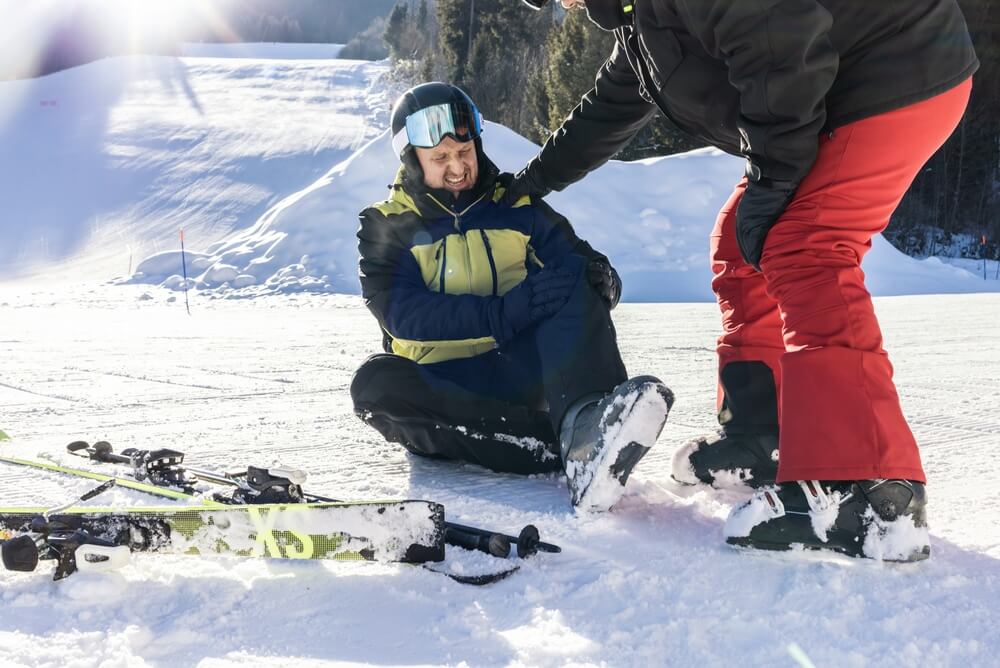
Did someone else’s poor decision turn your winter sports outing into a medical emergency? If you were hurt at a resort or training facility, you could have grounds for a personal injury claim. Your legal options will depend heavily on the circumstances of your case. A British Columbia personal injury lawyer can help you gather useful evidence, understand your rights, and pursue the compensation you deserve.
Understanding Liability for Winter Sports Injuries in BC
In British Columbia, a person who gets hurt during winter sports training may have grounds for a negligence claim if another party’s actions (or failure to act) contributed to their injury.
Liability for a winter sports injury can fall on individuals, but may also rest with businesses or organizations that operate ski hills, snowboarding parks, training centres, rinks, and other winter sports facilities. These operators must keep their properties reasonably safe, post clear warnings about known hazards, and take steps to manage known or foreseeable risks. If someone is injured because a property owner or manager fails to fulfill their responsibilities, the facility could face legal consequences.
When a Ski Resort or Facility May Be Liable
A ski resort or facility may be legally responsible for an injury it failed to fix, prevent, or warn about a potential hazard. This could include dangerous trails, equipment failures, missing warning signs, or careless staff and ski patrol. Liability can also arise if the resort allowed overcrowding, failed to close unsafe areas, or didn’t respond properly to emergencies.
Businesses operating these facilities have a duty of care to ensure reasonable safety at all times. If they fail to meet this duty, injured visitors may have grounds for ski accident liability claims. These claims can cover costs that public health care doesn’t, such as ambulance fees, rehabilitation services, lost income, future care needs, and pain and suffering.
Liability of Instructors, Coaches, and Training Staff
Instructors, coaches, and trainers have a duty to follow safety rules and provide proper supervision. They must also adjust training to match each person’s skill level and explain risks clearly. If they push someone too hard, ignore obvious hazards, or use poor judgment during lessons, the injured person may be entitled to file a winter sports injury claim against them or their employer.
The Role of Waivers and Assumption of Risk
Ski resorts and training centres often require visitors to sign waivers before participating in activities. These waivers aim to protect businesses from winter-sports injury claims if someone is injured. However, they don’t always shield companies from every claim.
For example, a waiver won’t always protect a resort that acted recklessly or failed to meet basic safety standards. Additionally, courts may reject waivers if the wording was unclear or hidden in fine print. Even if a person accepts some risk by signing a waiver, that doesn’t mean they have to accept avoidable harm caused by careless or dangerous behaviour. An experienced injury lawyer can review liability waivers and explain whether they might affect your right to sue.
Why Legal Guidance Matters in Winter Sports Injury Cases
Winter sports injury cases can raise tough legal questions, especially when it comes to liability waivers and holding businesses and other entities accountable. If you believe you have an injury claim, reach out to a lawyer who knows how these cases work in British Columbia. At Warnett Hallen LLP, we can review what happened, identify who may be responsible, and outline what your claim could include. Contact us today to arrange your free consultation with a skilled and supportive staff member.
